Walk a living world
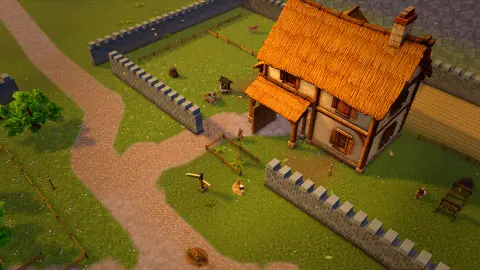
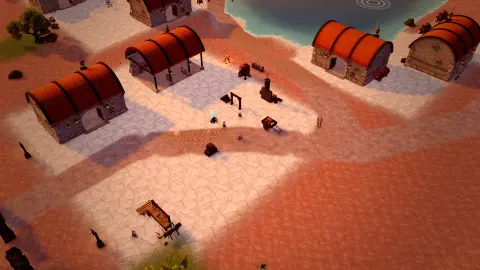
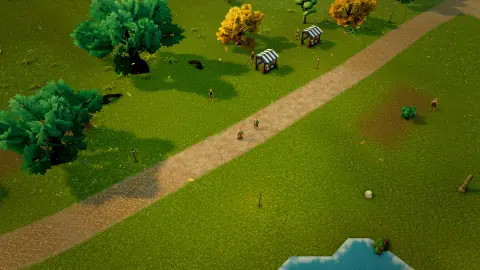
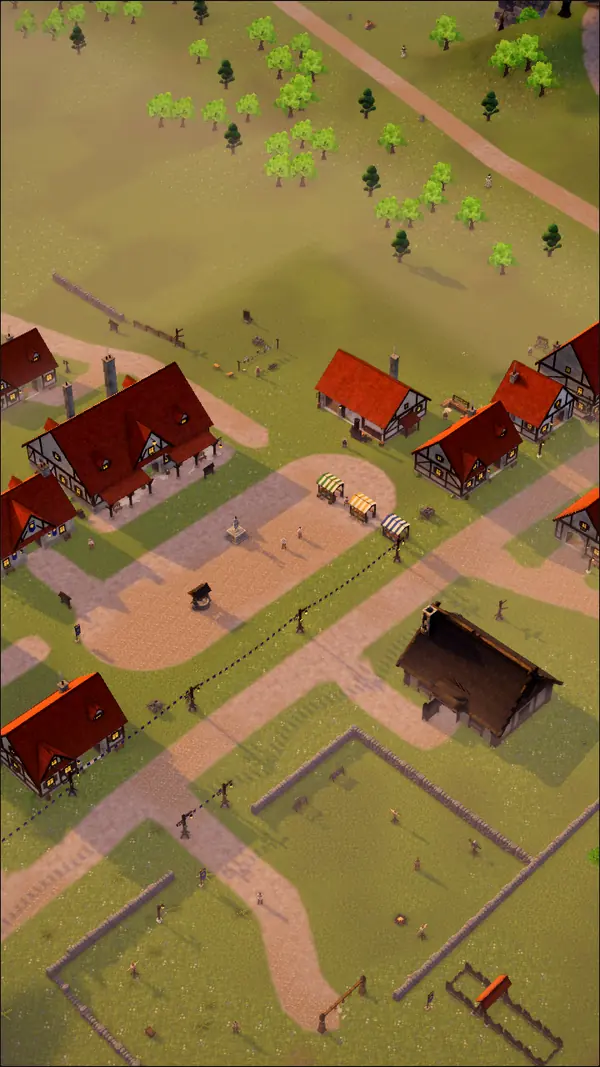
One connected continent. Cross a border on foot and the road simply continues, with the next region's people and dangers streaming in around you.
Closed alpha · now recruiting
A living fantasy world where you build towers beside your friends. Walk one connected continent, ride the Skybarges between its regions, take up a trade, keep a home, and hold the line together when the waves come.
Plays in your browser, on desktop and phone. A game by Progracom Already invited? Sign in (opens in a new tab)
An MMORPG tower defence
Avaryn is a persistent fantasy world you share with other players. Your commander walks its roads, and when the waves come you fight on the field while the towers you raised hold the lanes beside you.
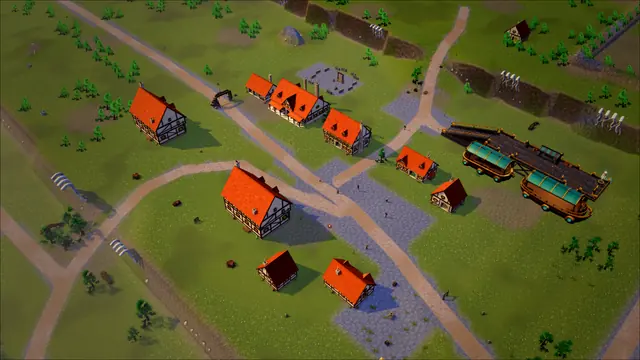
One connected continent. Cross a border on foot and the road simply continues, with the next region's people and dangers streaming in around you.
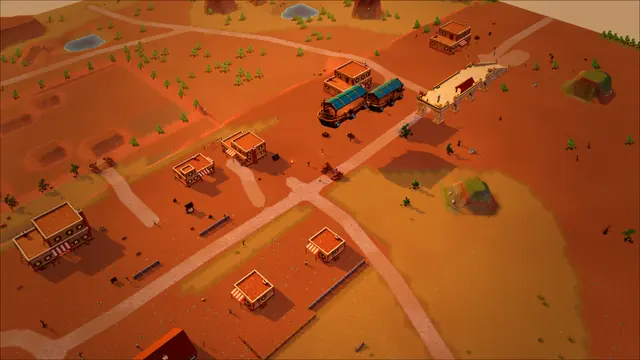
An MMORPG tower defence. Your commander fights on the field while your towers hold the lanes, and every fight is better with friends beside you.
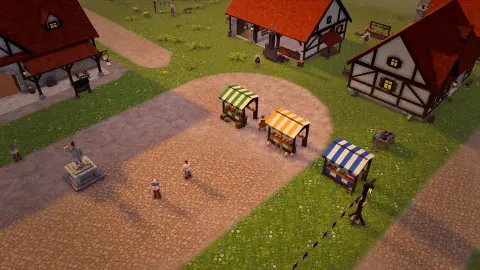
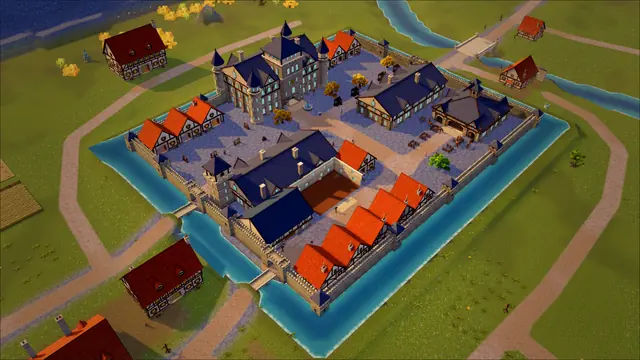
Take up a trade, keep a home with a hearth and a mailbox, sell at the market, and carry everything you earn into the next fight.
Counted from the alpha build today
Peoples and classes
Each people begins on its own ground with its own trouble, then walks out into the same continent. Their homes share one Skybarge run, so friends of every people can meet from the first level.
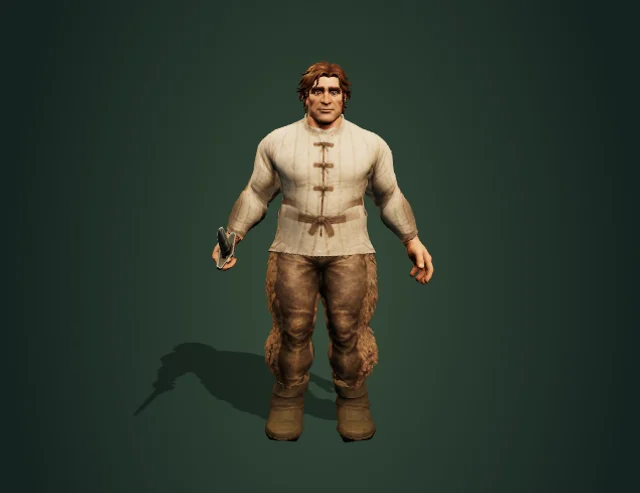
Warm, loud and stubborn road folk of Amblevale, who feed a stranger first, count everything twice and hang a lantern on every door.
Humans in the wiki (opens in a new tab)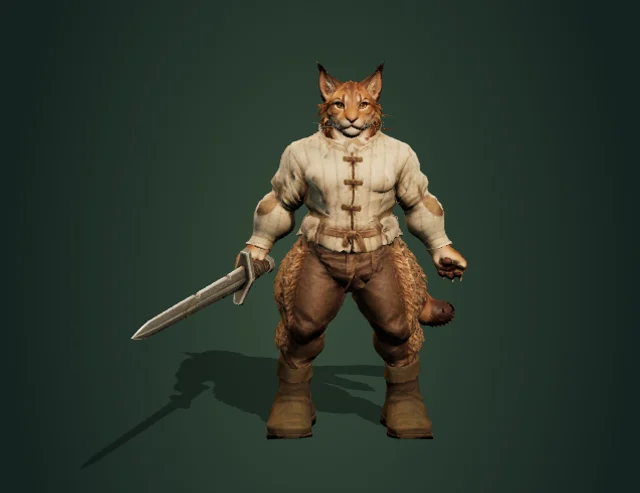
Smallholders, millers and beekeepers of the Longacre Vale, proud of small exact things: a straight furrow, a dry hayloft, a cheese that turns out right.
Felis in the wiki (opens in a new tab)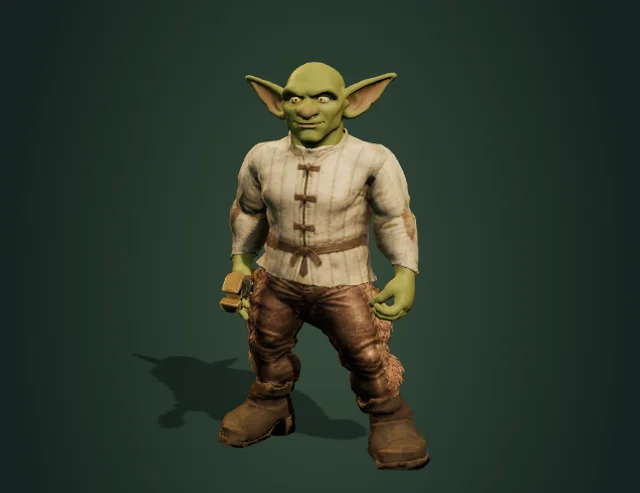
Free crews of Cinderhook Basin who draw salt, brass and boiler power from the lake without bending the knee to the Ragged Fang clans.
Goblins in the wiki (opens in a new tab)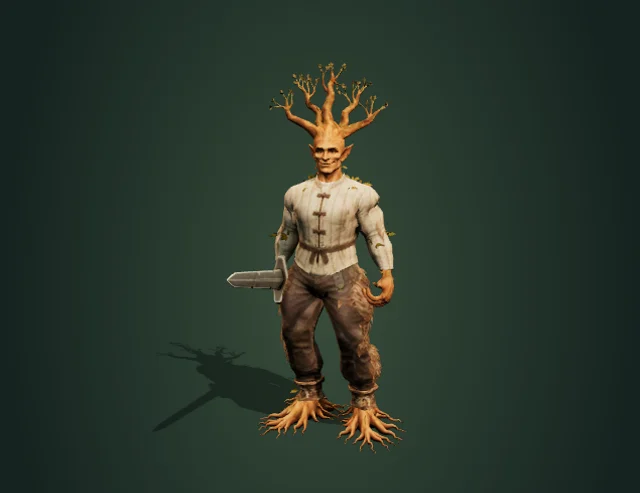
Human-sized treefolk who call themselves groo. Each is a walking sapling or young tree, raised among root roads, tended clearings and the patient songs of old groves.
Groovians in the wiki (opens in a new tab)Co-op tower defence
Fights happen on the ground you walked in on. Your commander is always on the field, and every technique, tower and blueprint you prepared stays in reach for the whole fight. No shuffle, no draw: costs and cooldowns decide, never luck. Bring friends and the lanes get easier to hold: a knight on the line, an engineer building, a hunter covering the flank.
61 talents 11 towers
A frontline warden who holds the line in melee, trading heavy blows and shrugging off what armor turns aside.
60 talents 11 towers
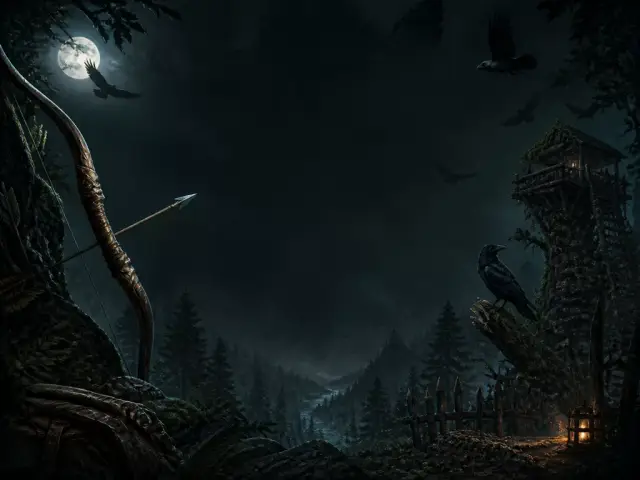
A swift ranged pathfinder who controls space with companions, defenses and deliberate long-range pressure.
59 talents 11 towers
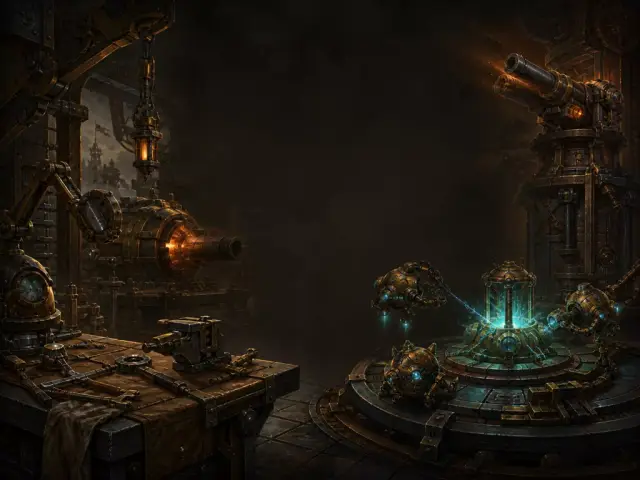
A field mechanic who keeps towers alive, turns compact machinery into battlefield control, and wins by making every construction work longer.
60 talents 12 towers
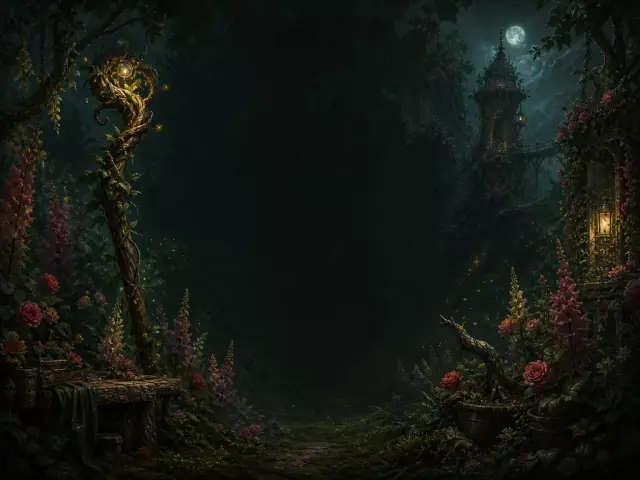
A close-field nature caster whose attacks grow Living Thorns, who snares advancing enemies in living vines, and grows flower towers into a controlling canopy.
Straight from the engine
Every model here is the same file the game loads: compressed geometry, KTX2 textures and baked animation. The creatures are rigged and keep their own rhythm, and their keywords tell you what will work before you commit a single tower. Pick one and drag to turn it.
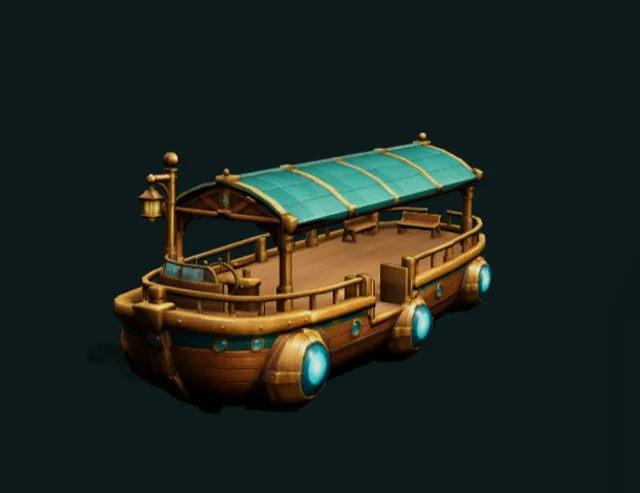 Live in the browser Drag to turn
 Vessel
A lake-ferry hull with the boilers taken out, a canopy on and stormglass floats bolted to its sides. It carries players between the regions.
Creature
The frontier's stalking predator. Hooked beak, ragged plumage, and a habit of circling the raised roads at dusk.
Creature
Rises out of still water when the road goes quiet, and breaks into more trouble when it falls.
Creature
A thorn-hide hunter of the hedgerows. Fast enough to reach your economy before your towers turn.
Creature
Leads the Ragged Fang war camps and rallies cutters and slingers into a line that armor alone will not break.
Creature
A stone-singer of the deep warrens. Spirit magic answers to different steel than a hide does.
Creature
A siege engine that walks. Glass plates shrug off light strikes and shatter into more trouble.
Creature
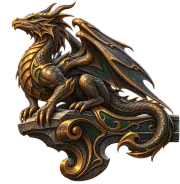
A dragon with territory and history. The reason the Aldermarch keeps its roofs wet.
Vaelora, the first charted continent
Its regions join into one continent you cross on foot. Each keeps its own weather, its own dawn and dusk, its own people with small problems and old grudges, and a story you read from the road before anyone tells it to you. Avaryn is the whole world; Vaelora is only where its story starts.
Four homes, four first stands.
Ice, dead woods and a coast to share.
The royal highroad and the capital.
Out to the edge of the world.
The engineering behind it
Avaryn is a persistent, MMO-style world with the server as referee. Everything below lives in one codebase: simulation, networking, database, infrastructure as code and full observability.
Every move, strike and tower goes to the server, which simulates the world in fixed ticks and sends back what actually happened. Idle ticks create no traffic, and the database never receives a row per movement.
Up to four players form a party, share quests and enter battles by unanimous decision. Dungeons are instanced with fixed difficulty, and a dropped connection does not break membership.
The cluster runs on k3s at Hetzner and is described entirely in Pulumi: firewall, volumes, cert-manager, PostgreSQL through CloudNativePG and ingress behind Cloudflare. Deployments use immutable image digests.
Prometheus metrics in Mimir, structured OTLP logs in Loki and traces in Tempo, collected by an OpenTelemetry Collector. Grafana shows player journeys plus service and database performance.
Signed game tickets, origin allowlists for WebSocket and CSRF, HTTP-only cookies and periodic revalidation of open connections so that revoked access is actually cut off.
Continuous WAL archiving and daily base backups to separate object storage, with a rehearsed restore runbook. GitHub Actions verifies, builds and publishes all four images.
The closed alpha
Sign up at playavaryn.com for a place in the closed alpha, and read up on the regions, classes and creatures in the wiki while you wait.
Version 0.6.0: a rebuilt Vaelora, new bodies for all four peoples, Skybarges between the regions and professions with tools of their own.
Visit playavaryn.com (opens in a new tab) Already invited? Sign in (opens in a new tab)
Games, simulations or real-time experiences. Tell me what you have in mind.